Prepping for your grow
Sceletium tortuosum is an obscure plant that you are exceedingly unlikely to stumble upon in your local hardware store or garden shop. One of the consequences of Kanna’s rarity is that sometimes it is a struggle to figure out how to grow them well. If you ask a question in a Kanna growing forum, you may get as many answers as there are posters! In my own journey of growing Kanna, I have heard scores of ways to get it to root, disagreements on how often to water it (I once saw a user insist that Kanna should be kept practically submerged!
Am I trying to say that there are a lot of liars in the Kanna growing hobby? No, of course not. I’m simply trying to get acrost that I can only tell you how I grow my Kanna plants, and there isn’t always a simple GOLD STANDARD when it comes to the cultivation of rare plants. Kanna included.
Absolute Essentials:
A low organic content soil. (In the past I have used the Miracle Gro Succulent, citrus, and Cactus mix)
Perlite
Gritty Sand (Not beach or play sand. Sand that has some size to it.)
A small shallow pot.
Growing Kanna
Nice-To-Haves:
A small succulent watering squeeze bottle
Grow lights.
New Plant Day!
As soon as you receive your plant, it is important to let it rest and recuperate for a few days. Plants did not evolve to take rides through the post office and travel hundreds or even thousands of miles. Thankfully, plants can manage travel, but it stresses out the plant. Give it a day or two in a safe window to regain its strength before we go and stress it again.
Cuttings on the other hand will be covered in a later guide.
Potting
Once the plant has rested, we are in the clear to pot the plant into its new home. Keep in mind this stem may not always be necessary. If the plant comes in a pot that looks like it can accommodate growth from your new Kanna companion, you may not need to repot. Evaluate the situation and decide what is best for you and your plant. If you are planning on planting outside, you will probably want to repot into something that is less likely to get knocked over by the wind.
If you decide to repot, there are a few key items you need to keep in mind for potting your plant
Material
Depth & Shape
Drainage
Soil
Material:
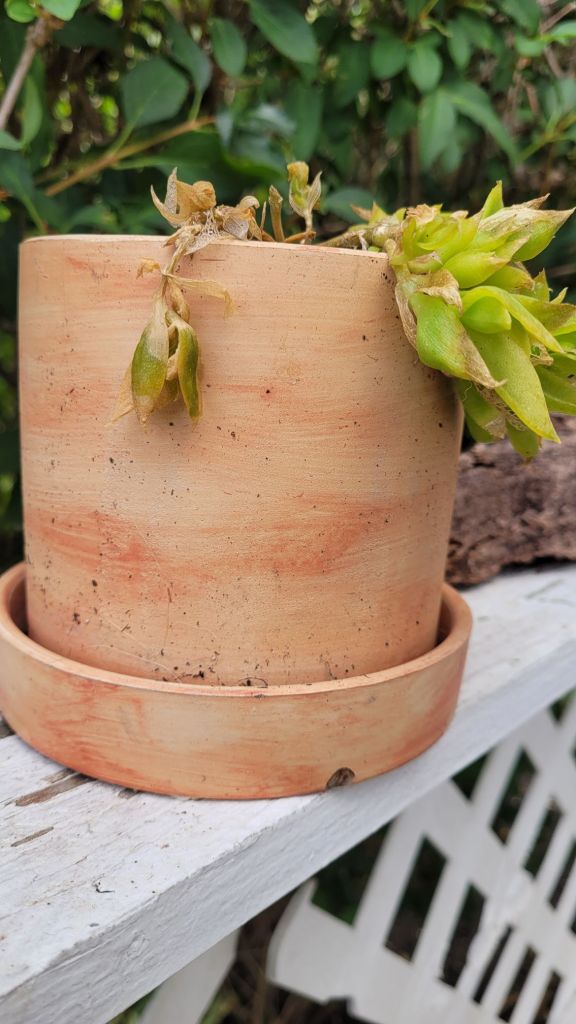
In my experience, Kanna does not do well with long periods of wet roots. In fact, I have seen one of my plants “melt” when I unknowingly subjected it to constantly wet roots. For that reason, I advise for a clay pot to be your choice when you’re beginning your Kanna journey. Clay sucks moisture from the soil and aids in drying out your plant’s roots. On the other hand, Plastic keeps moisture locked in the soil and can cause you issues.
Depth:
The structure of Kanna’s roots tends to be more shallow and spreading. If you choose a shallow and wide pot to plant your Kanna in, you are accommodating the natural structure of your plant and allowing it to grow how it knows to grow
Drainage:
Your pot should have unrestricted drainage to allow soil drying.
Soil:
Kanna likes a low amount of organic matter and fast draining soil. To achieve this mix I take some succulent/cactus soil mix and introduce some perlite. I don’t measure usually, but I shoot for 30% perlite in my soil. This helps the drainage and gives reduces the total organic matter percentage. Throw in a handful of the coarse sand too. Shoot for 20% sand.
Placement:
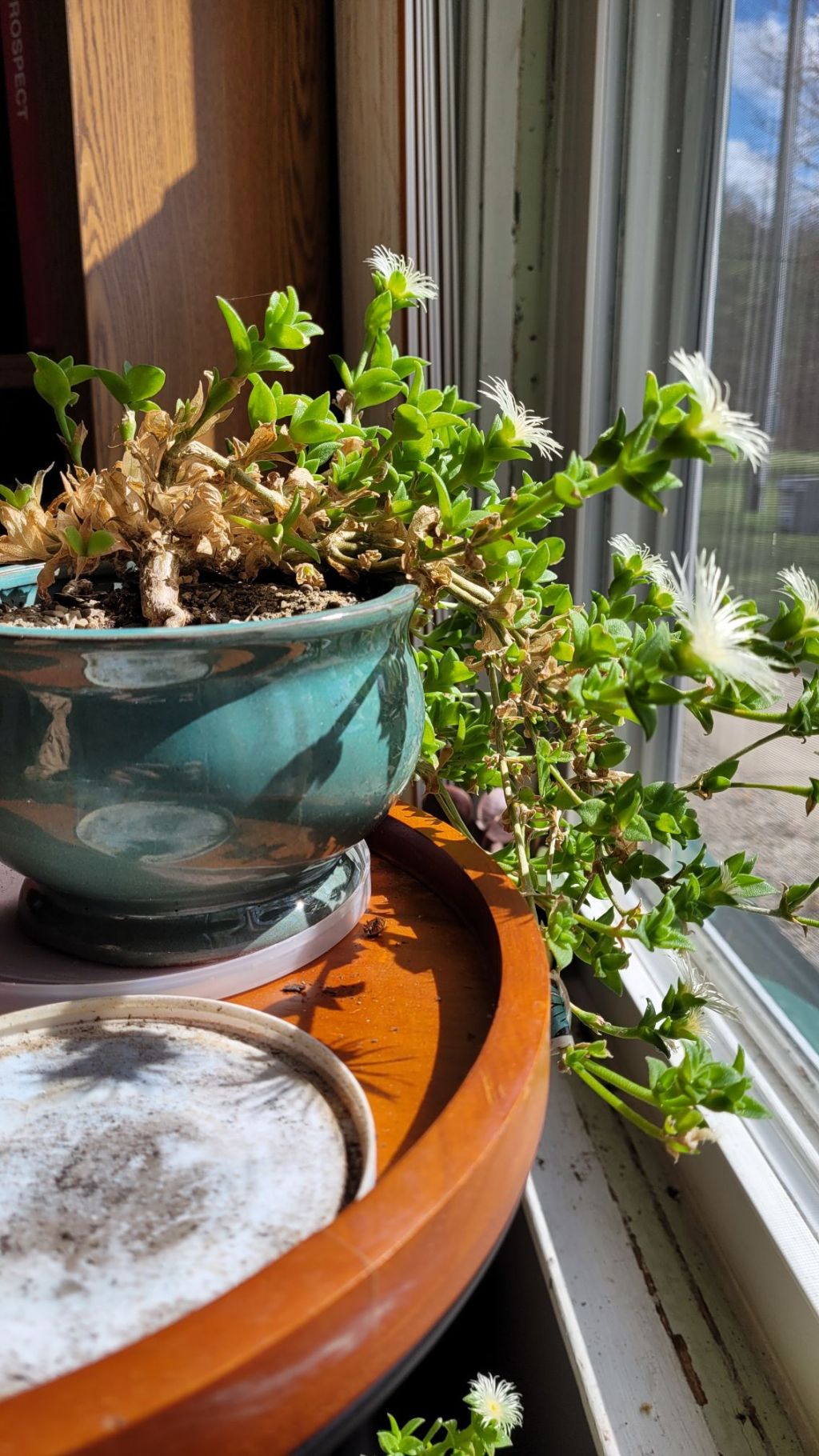
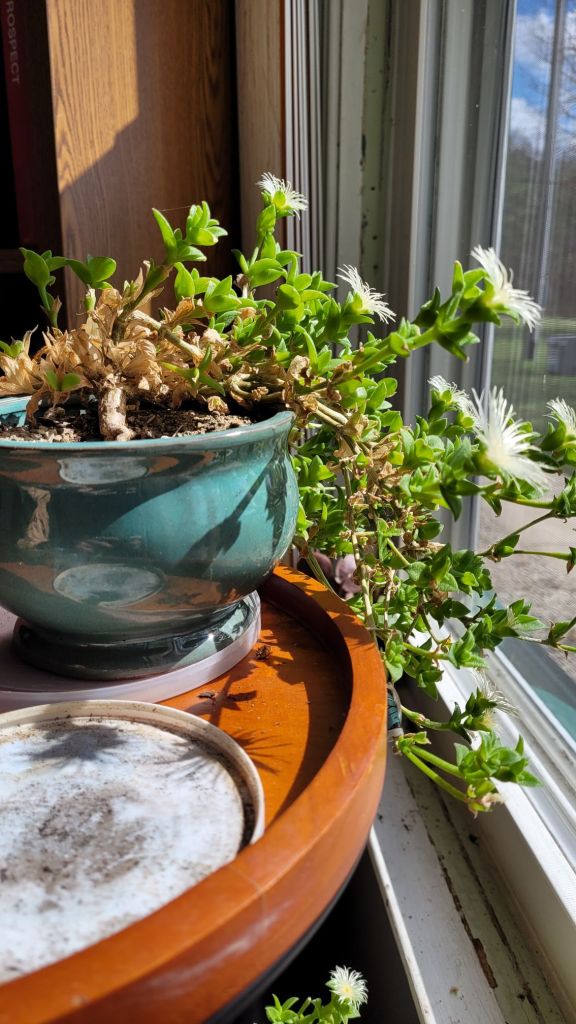
Indoors: Place in a South facing sunny window. Supplement with grow lights if needed. Keep out of the reach of pets and children, and the cold. If your windowsill gets cold, take measures to ensure your plant’s pot doesn’t get too close to the window and experience temperature drops.
Outdoors: Place in a sunny spot that also experiences some sporadic shade. This plant loves the sun, but it also does best when you give it a bit of reprieve. This advice is even more critical if the temperature is unusually warm. If the outside temps reach 95 F (35C) I either move my plants to a much shadier position, or I bring them inside.
Sceletium Tortuosum is not cold hardy. It must be brought in before there is any chance of cold damage. I personally bring mine in if the nights start to go any lower than 50F (10C)
Watering your kanna plant
I like to use a small squeeze bottle waterer. This allows me to give precise waterings directly to the base of the plant.
Indoors: I water once a week or so. This may depend on the situation your Kanna is in and environmental factors. Check your soil for moisture if you are unsure. If the soil is still wet, hold off for a bit.
Outdoors: Really depends on the weather. In a drought with low humidity, you could water twice weekly depending on soil moisture. Some years I have hardly had to water my Kanna for a whole season!
This concludes the basics of Kanna growing. Like I alluded to in the beginning of this post, what I do may not work for you. Just keep a careful eye on what your plant is doing, and adjust accordingly. If you have any questions on how to grow Kanna, just leave a comment and hopefully we can help you out!
Helpful Links to Related Content
 Transplant Garden -- Rare and Curious Plants
Leave a comment