When you have an indoor garden you’re bound to encounter pests at some stages. You’re providing bugs nesting areas, moisture, and food. It’s only natural that bugs will try to make the most of that opportunity. When you notice gnats, there are a few different easy strategies to deal with them. Let’s go through some!
1. Deal with the situation that attracted the fungus gnats.
Fungus Gnats thrive when you are overwatering your plants. Since this species feeds on fungi and decomposing plant matter, they are a great indication that you are doing something wrong with your potted plants and causing root rotting and high fungi population. Try giving your plants more time in-between waterings. If you can take away the main food sources of fungus gnats, you can stop them from being attracted to your plants.
In addition to wet soil, if your drip saucers are constantly full of water, that could be an attraction point to gnats and other pests. This is another method to tell if you might be over watering
*This is a general starting point, some plants might need constant moisture. Keep in mind what plants you are growing and what their needs are.*
2. Set out traps.
Fortunately, you probably have the supplies to make your own gnat / fruit fly traps already!
What you’ll need:
A cup
Plastic wrap
Apple cider vinegar
Dish soap (optional)
Rubber band (optional)
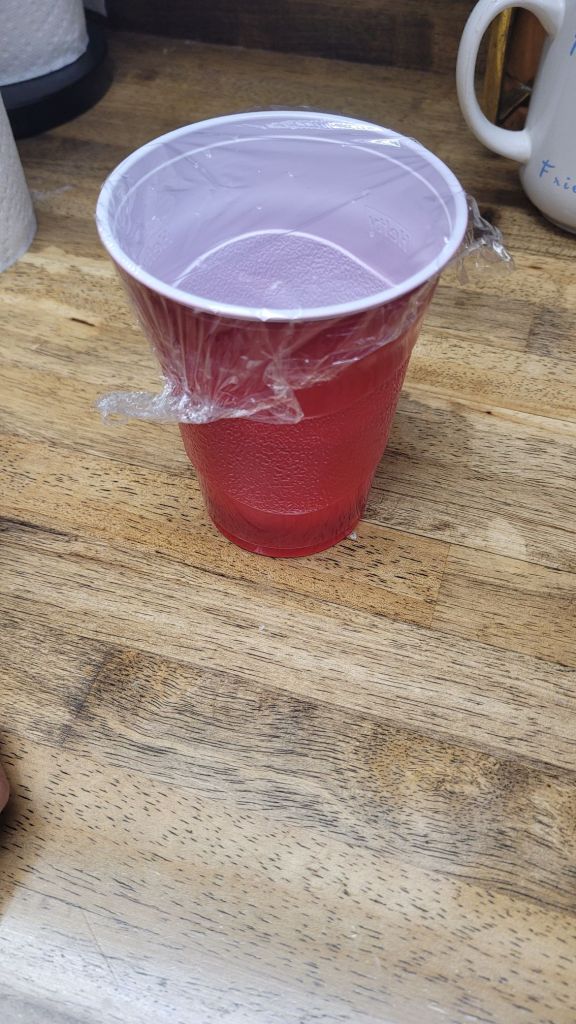
A. Take your cup, and put an inch or so of apple cider vinegar (ACV) in. This will work as your bait. The gnats and fruit flies will be attracted to the fermentation/decaying plant matter scent of the ACV. (Optional step: put a drop of dish soap in the ACV to make the solution harder to escape)
B. Carefully seal the top of the cup with plastic wrap. (Optional step: secure the plastic with a rubber band if you’re like me and bad at using plastic wrap)
C: Poke holes in the plastic wrap with a thumbtack or similar instrument.
D: Set your trap near your plant and wait.
The gnats will try to get at the ACV, and will be unable to leave your cup through the holes they entered in. The gnats will then drown in the ACV.
3. Cover the top of your plant’s soil with a thin layer of coarse sand.
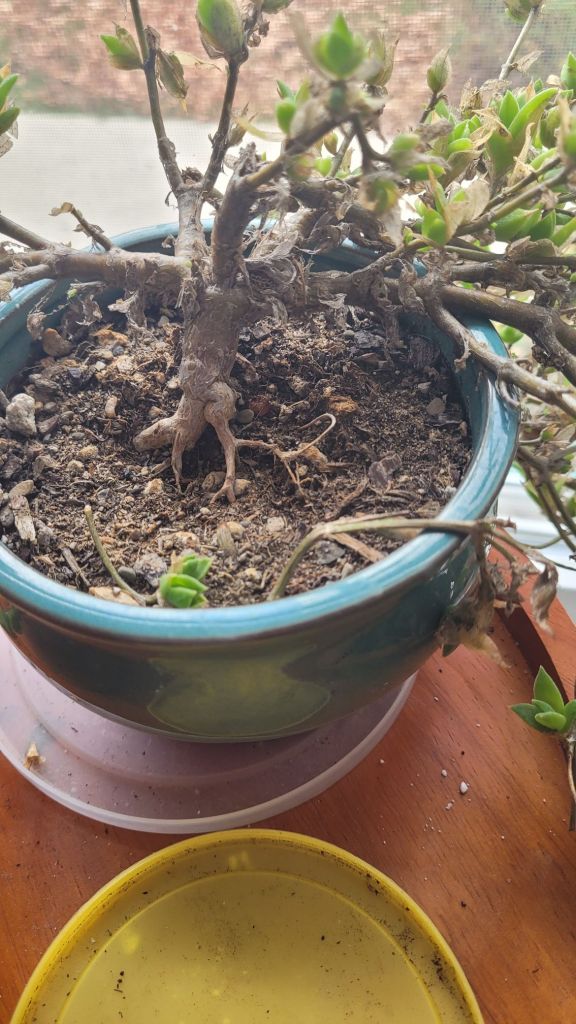
Covering your soil with sand makes it much harder for gnats to get into your soil and lay eggs. Also, any fledgling gnats that hatch in your soil will become stuck under the sand and die. This tactic is good for preventing infestations and is especially effective to stop infestations when used with my other methods. If you let your soil dry out, any gnats that were in your sand covered soil will be unable to just find another place to nest. Then, any gnats that are cut off from their previous food supply will look to your traps for food.
One note about the covering your soil with sand is that you should monitor any new conditions in your pot. The sand might slow evaporation and allow you to go longer between waterings.
4. Use plants to your advantage!
This tip is my favorite!
I noticed gnats congregating near my hydroponic set up. This gave me a unique challenge, because you can’t let a hydroponic set up dry up, nor can you cover it with sand. I could use ACV traps, but you have to keep refilling those if you need them for long periods of time. I decided to look for a plant that could help me out and I found the perfect one!
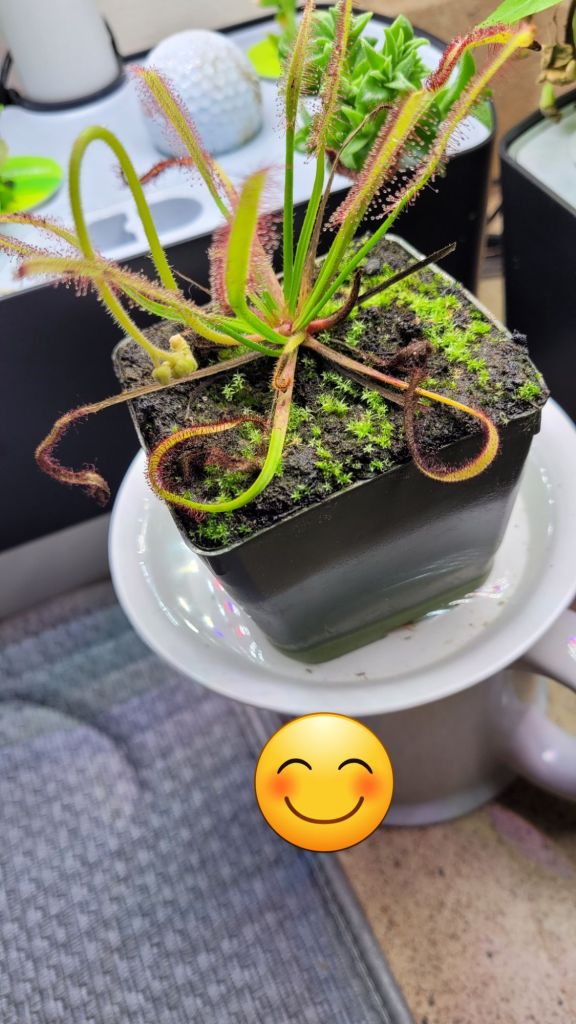
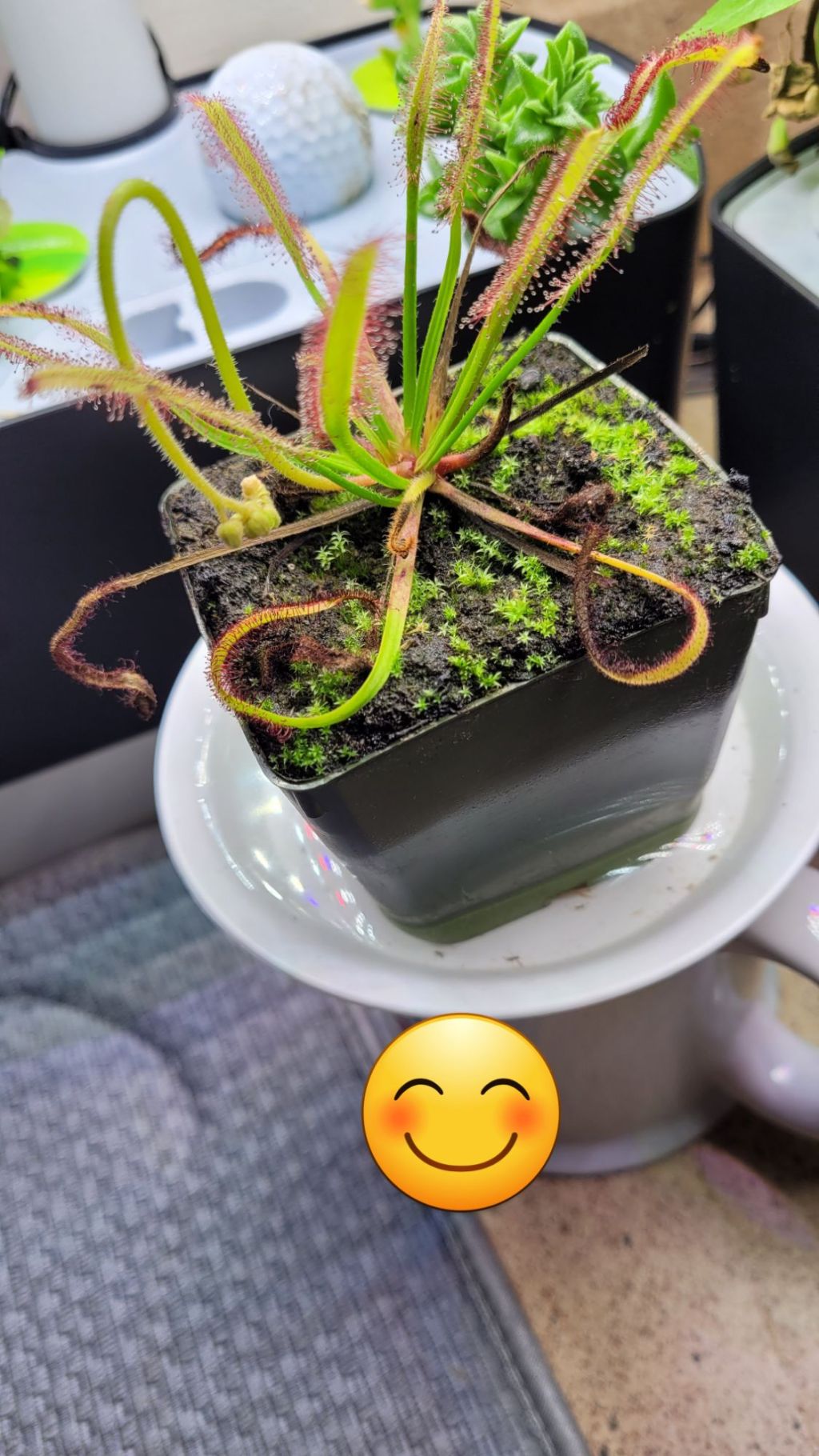
Cape Sundew is a easy to care for carnivorous plant that attracts gnats and other insects and traps them in sticky sundew. The plant then digests them and uses their nutrients to get stronger and bigger, therefore allowing them to catch more insects!
By utilizing this species in my home I now get to work with a new plant, deal with pests, and use the idea of a miniature ecosystem to fix a problem.
Check out our Cape Sundew Care Guide!
Hopefully these tips give you a head start on how to deal with annoying bugs in your home! Leave us a comment if we helped you out or if you have any questions!
 Transplant Garden -- Rare and Curious Plants
Leave a comment