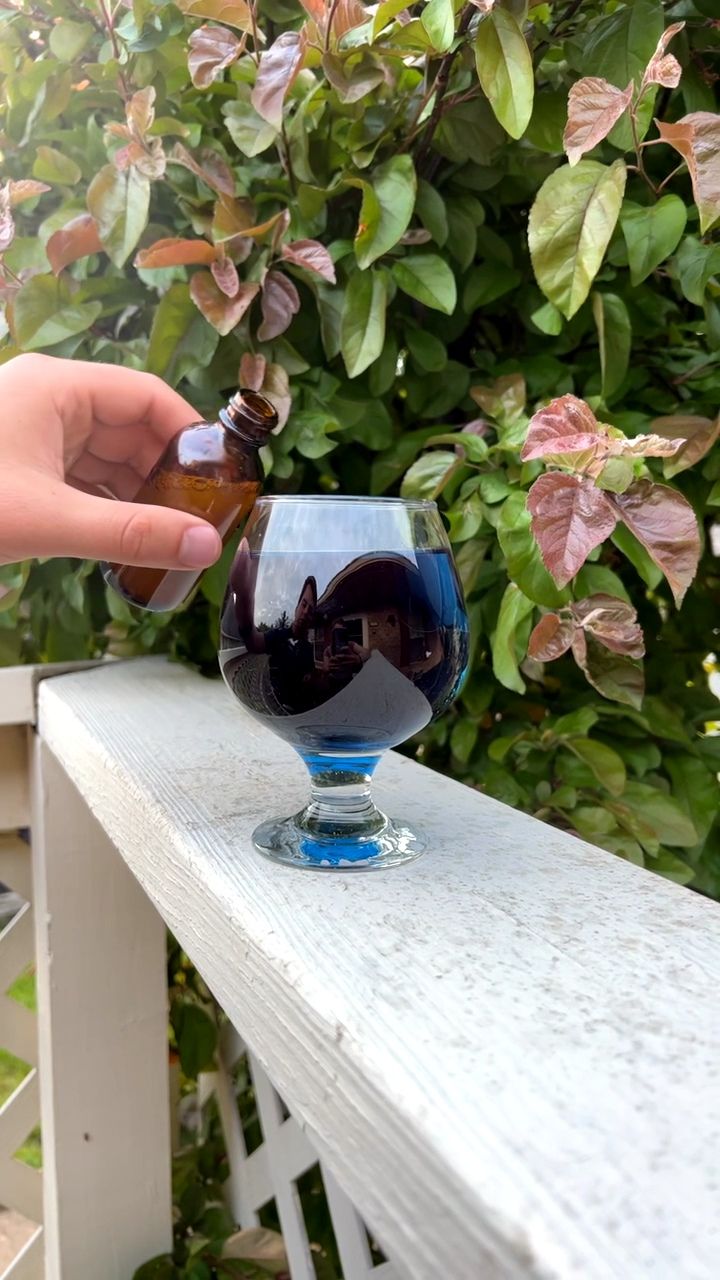
Butterfly pea flower (Clitoria ternatea) is one of those plants that highlights the amazing capabilities of plants in a spectacular way. Butterfly Pea Flowers makes a tea that changes color depending on the acidity of added substances.
How to make color changing drinks with Butterfly Pea Flower
Used in cocktails and teas, a color changing spectacle is an easy way to impress guests or observe the impressive power of the Butterfly Pea Flower.
Necessary equipment:
Butterfly Pea Flowers (Can be found at Mountain Rose Herbs or local herb shops)
Acidic liquid (such as lemon juice)
Clear drinking glass (so you can see the reaction!)
Hot water
Process:
Heat your water to just under boiling.
Add a heaping teaspoon to your glass
Pour your water into your glass and let steep for 5-10 minutes
Strain out your flowers if desired
Add a splash of lemon juice to observe the color change! You don’t need much. If you prefer orange juice, this will also work. Just remember that any acidic substance will cause the reaction to take place. See below for an example of the color change you’ll be witnessing!
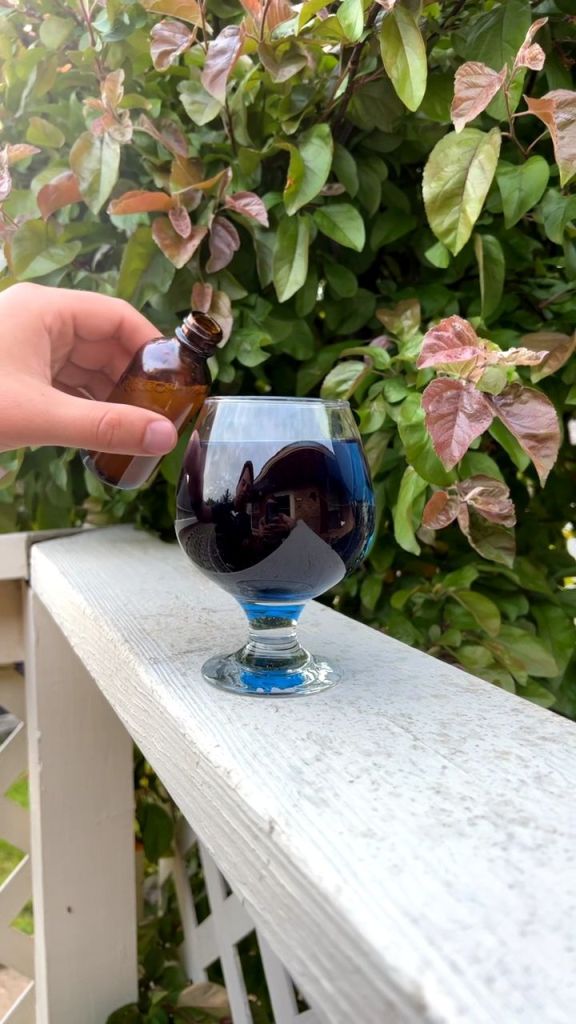
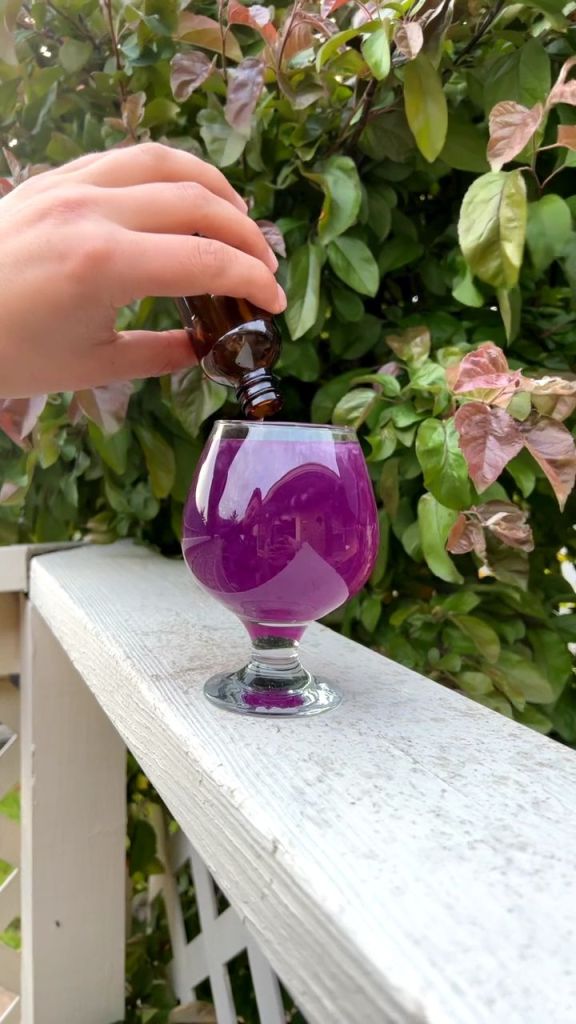
You can now use your tea as a base for any color changing drinks you want to test out. You can prep this tea a few hours before you wish to use it. I wouldn’t let it sit for days though. Use your judgement and be safe! It’s better to just make some more tea versus risking your health with a few day old tea.
Homemade PH Indicator Strips
But what if you don’t know what will change the color prematurely?
I had this same question and I’m pretty pleased with the solution I came up with! Using your Butterfly Pea Flower tea and some paper towels, you can easily make PH indicator strips!
PH indicator strips are tools which provide data on whether or not a substance is acidic or not. Commercial PH indicator strips will usually give you a ballpark as to levels of acidity or alkali content in a substance. If you think about it, the tea we (and hopefully you!) just made is just a ph indicator. If there’s acidity, the tea changes color. If you wanted to test acid levels with just the tea, that would work, but you would be using a lot of tea and every time you wanted to test for acidity, you would have to make some fresh tea. The indicator strips we will be making today store well and can be used without any brewing.
Necessary equipment:
Butterfly Pea Flowers (2 heaping tablespoons)
Cooking pot
Water (2-3 cups)
Paper towels (3-4 sheets)
Plate or baking sheet
Scissors
Process:
Add two to three cups of water to a pot and turn the burner to medium-high.
Add your Butterfly Pea Flowers to the water.

Bring your tea to a boil. And let boil for a few minutes to extract most of the pigment from the flowers. Stir periodically to assist with extraction.
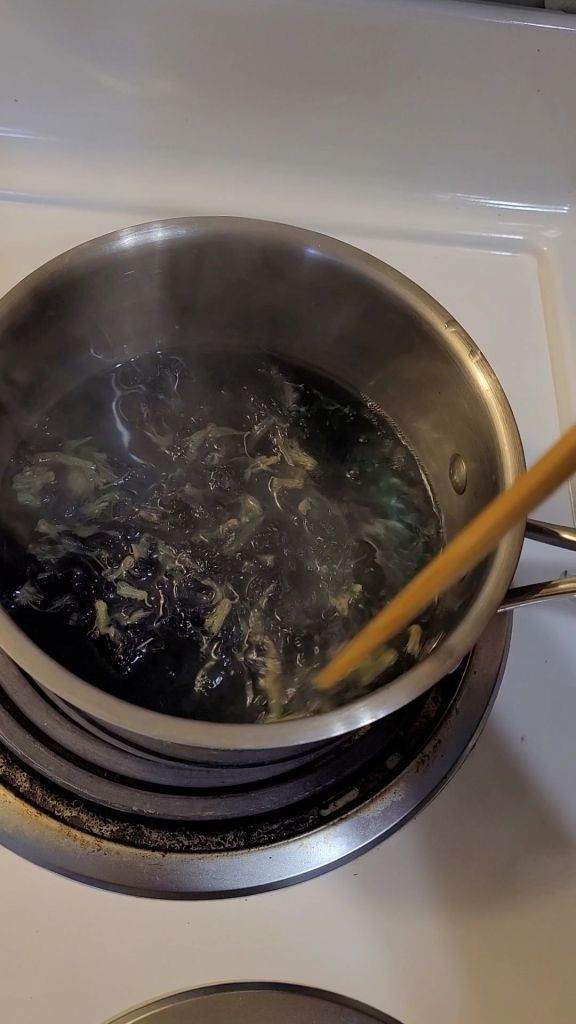
Strain the solids your of your tea. This will ensure you aren’t picking flower parts out of your finished ph indicator strips.
Turn off the burner and let cool for a minute or so. Taking care to submerge the entire surface area of your paper towels, place them into your tea. If you find you have a lot of excess liquid, you can add a few more paper towels depending on how many indicator strips you want. One towel will make around 30 strips.
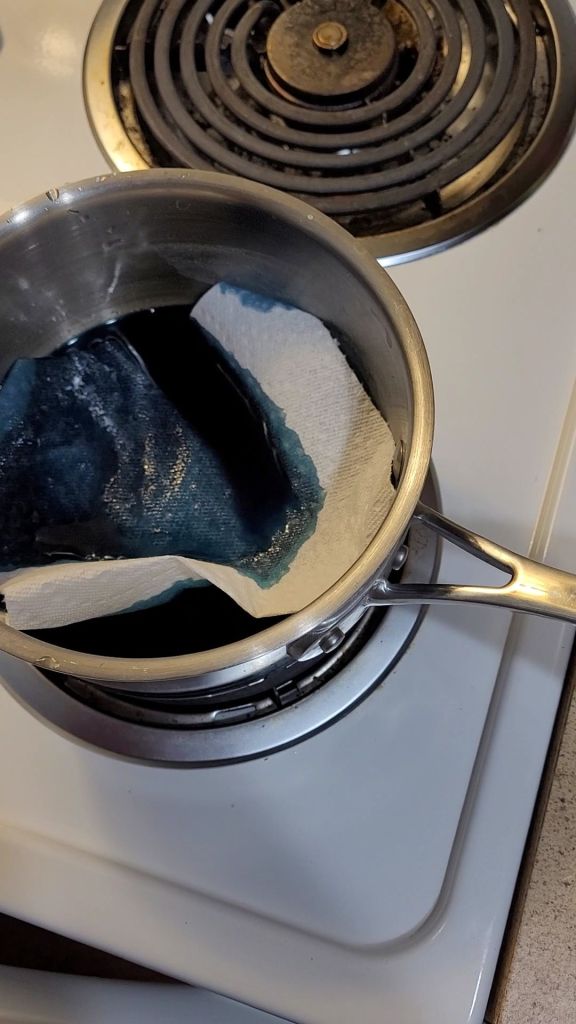
I let my towels soak in the mixture overnight, but a few hours would be sufficient.
Once your towels are done soaking, take them out of your solution and lay them flat on your plate or baking sheet to dry. TIP: hold your sheets above your pot until they stop dripping. This will save you some dry time and make clean up easier later.
The drying process should take a day or so. Once they are done drying, you can cut them into strips and start using them!
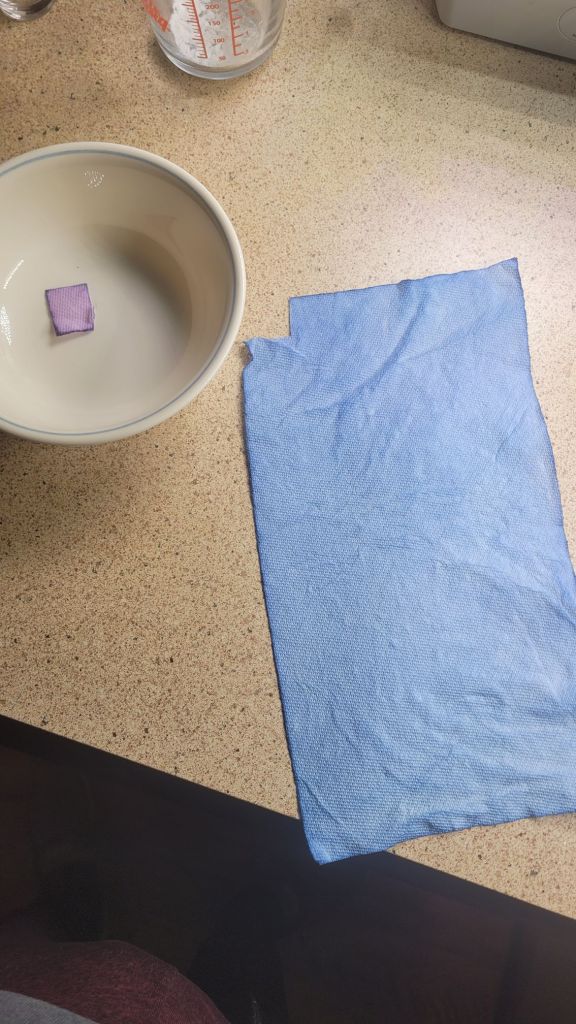
Using Your PH Indicators
Once I have my strips cut, I store them in a bag for later use.
With this simple experiment, you now have a way to discover if a substance is acidic! Keep in mind that you won’t be able to discern what PH levels a substance is. This is more of a yes or no test for acidity. You can use your strips to see if any cocktail ingredients will trigger the color changing reaction, find out if your plant soil is acidic, and just have fun testing things that pique your curiosity!
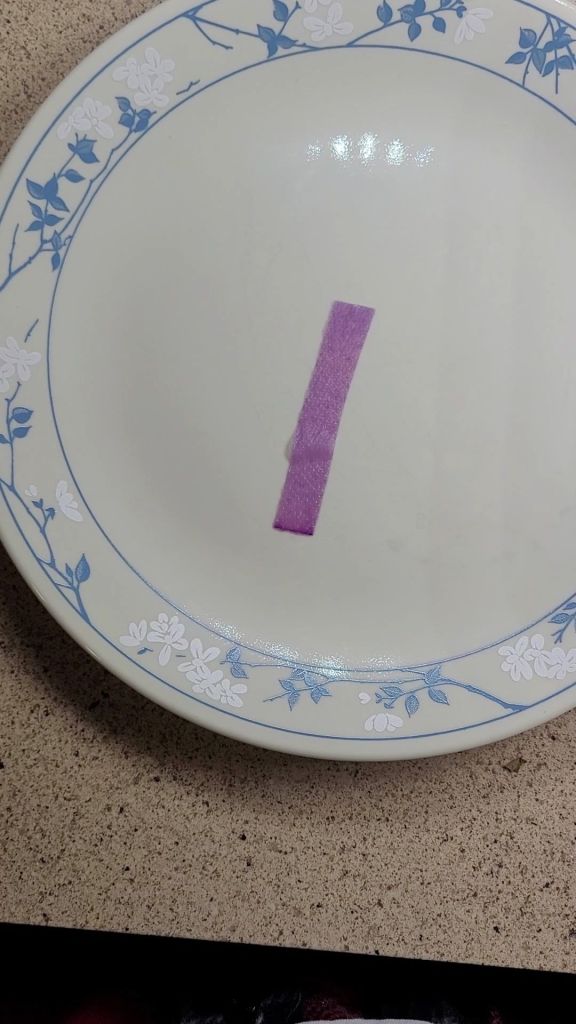
Simply add your chosen substance to your indicator strips and look for color changes.
White Vinegar:
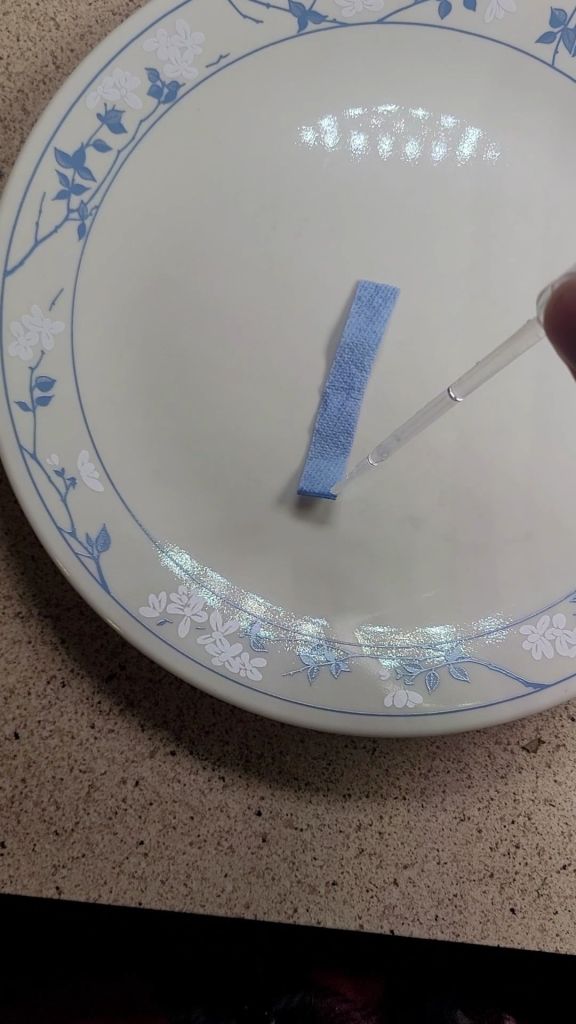
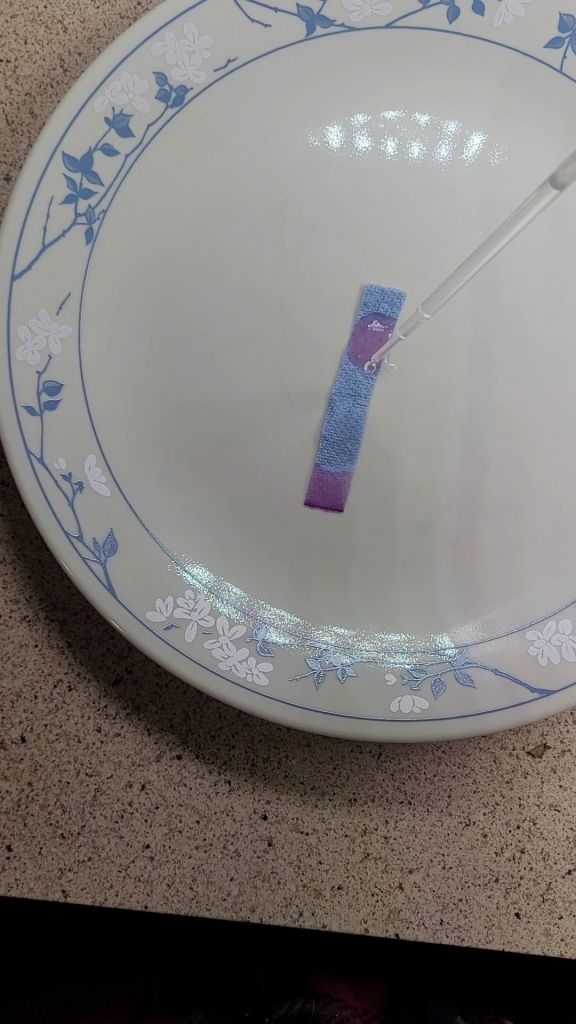
Hopefully you enjoyed this topic and use this new tool to explore some new concepts with me! I appreciate your time and we’ll catch you in the next article!
 Transplant Garden -- Rare and Curious Plants
Leave a comment