
What Kind Of Soil Should I Grow Kanna in?
Kanna likes a mostly inorganic, fast draining soil. A simple way to prep soil for Kanna is to combine cactus soil, coarse sand, and perlite. Go for about 50% cactus soil, 25% coarse sand, and 25% perlite
Can I Grow Kanna Indoors?
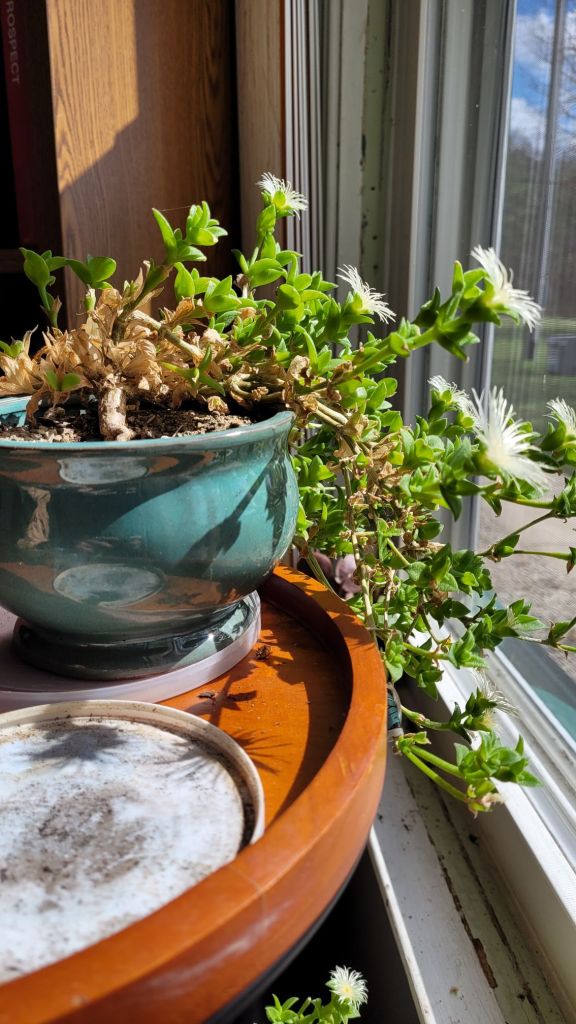
Yes! Kanna grows well indoors. All you need is a warm sunny window, and you’re in business! I’ve been growing Kanna indoors ever since I started growing this amazing plant. Some of my plants I only grow indoors because I want them to be protected from predators. Squirrels will eat your Kanna if they feel so inclined.
Things to keep in mind:
Depending on your indoor heat and humidity, you may need to space out your watering. I’ve found in my situation that my indoor plants stay moist longer. So, with that being said, it is very important that you choose the right pot!
If you live in an area with harsh winters, be sure that your plants aren’t too close to windows on frigid days. I have lost a few plants because they were sitting on the windowsill, and the cold got to them.
South facing windows in the northern hemisphere, and north facing windows in the southern hemisphere have get the most sunlight. Now, Kanna doesn’t need constant powerful sun, but it is easier to block excess sunlight than it is to create it. So for that reason I recommend starting with your stronger window. My plants have done great in a South West facing window (I live in the northern hemisphere) that gets some shade from a large oak tree. And they are doing great! If you’re unsure if you have a window that can sustain a Kanna, just keep an eye on how much sunlight that window gets throughout the day. You may be surprised!
If a plant is living in one spot year round, that is great for its natural cycles! That being said, you may start to see your kanna enter its dormant period where it seems like it’s dying. Just keep that in mind.
My Kanna Is Drying Up Even Though The Soil Is Damp. What Gives?
Stop! If your kanna looks like it’s wilting and dying even though you’ve been giving it a lot of water, it may have something called Root Rot. Root Rot is caused by a fungal infection, which is catalyzed by Overwatering. The excess water in a container depletes the oxygen in the soil and allows anaerobic (not needing oxygen) bacteria and fungi to thrive and start to decompose the roots of your plants.
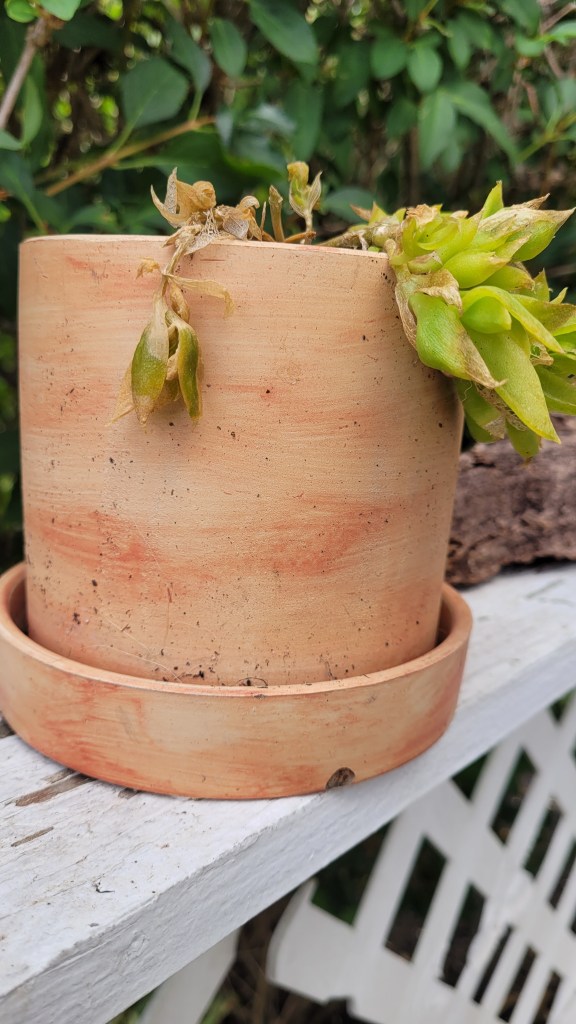
It is hard for Kanna to come back from this. The thin roots seem to be especially susceptible to this issue. There are reports that some plants (not specifically Kanna) have been revived by removing the roots and effected soil, and transplanting into a new container. What I have done in the past is either attempted to quickly dry the soil to stop/slow the damage, or taken a cutting and started over.
Quick drying:
You can help speed up the drying process by putting the plant in a sunnier location and hoping the excess moisture evaporate, or you can also use a small fan pointed at the soil to encourage evaporation. These options could work, but even if you do stop the damage, the plants could remain stunted.
Take Cuttings:
I had a plant that was severely damaged by root rot. This was early in my Kanna journey, and I didn’t know any better. Unfortunately, I didn’t have much hope for the survival of the plant, but I was desperate to keep the genetics of this plant alive. So I took a cutting and was able to successfully propagate it. In fact, it is now loving Hydroponic growth! So it went from struggling due to too much water, to living and thriving in it!
Conclusion:
The best way to protect your plants from root rot is to choose your containers wisely and to always ensure that a plant’s soil is dry before you water it again. Constantly wet soil is what we want to avoid.
Can Kanna Self Pollinate?
No, Kanna can not pollinate itself. This means that if you’re looking to get some seeds from your plants, you will need to have two genetically separate plants. If you only have one plant, you can always make more by growing plants through propagating cuttings.
Can you grow kanna hydroponically?
Yes! Kanna does fantastically when grown hydroponically. Kanna needs less nutrients than most hydroponically grown plants, so keep that in mind. Check out this post for more information!

Should I fertilize my Kanna plants?
Generally, your plant will do well without the aid of fertilizer. if your plant has been in the same pot for a year or so, you could start adding very weak fertilizer to supplement your plants available resources. just start extremely low back it off if you start to see nutrient burn
Is it legal to grow kanna in the United States?
Yes! For most people it is legal to grow Kanna. Louisiana is the only state to restrict Kanna. We expanded on this more in this Post
is Kanna related to cannabis?
Nope! The names are similar, that is the only similarity. You may see some cannabis products use the spelling Kanna, so just look for the scientific name of Kanna, Sceletium Tortuosum, if you are looking to buy Kanna products and not Cannabis products.
Kanna is a native south African succulent whereas Cannabis is a native Asian plant.
My kanna plant is doing great! how much can I harvest from it?
When harvesting or taking cuttings from kanna and most other plants, the prevailing wisdom is to take no more than a third of the plant’s leaves and stems. This helps to keep your plant healthy while still enjoying the fruits of your (and your plants’ labor).
 Transplant Garden -- Rare and Curious Plants
Leave a comment