A cold glass of root beer is one of the most refreshing childhood memories I have. Summer evenings by the lake with a can of root beer in my hand, smoke in my face, and a bobbling bobber in my mind were a common occurrence! Like most American children, I had no idea what root beer was made of. Roots is all I knew, and I distinctly remember thinking that the adults around me were joking that the delicious can in my hand was made from roots!
Of course, there were no root based ingredients in my can on those summer days. The roots in most commercial root beer brands were replaced with artificial flavorings rather than root flavors. Due in part to the principle root, sassafras (Sassafras albidum) being banned by the Food and Drug Administration (FDA) in the 1960s.
THe Sturdy Sassafras Tree
Sassafras albidum is a tree native to the Eastern United States. Often more of a shrub in cooler climates, this tree can be identified easily by its three types of leaves: oval, mitten shaped, and three lobed.
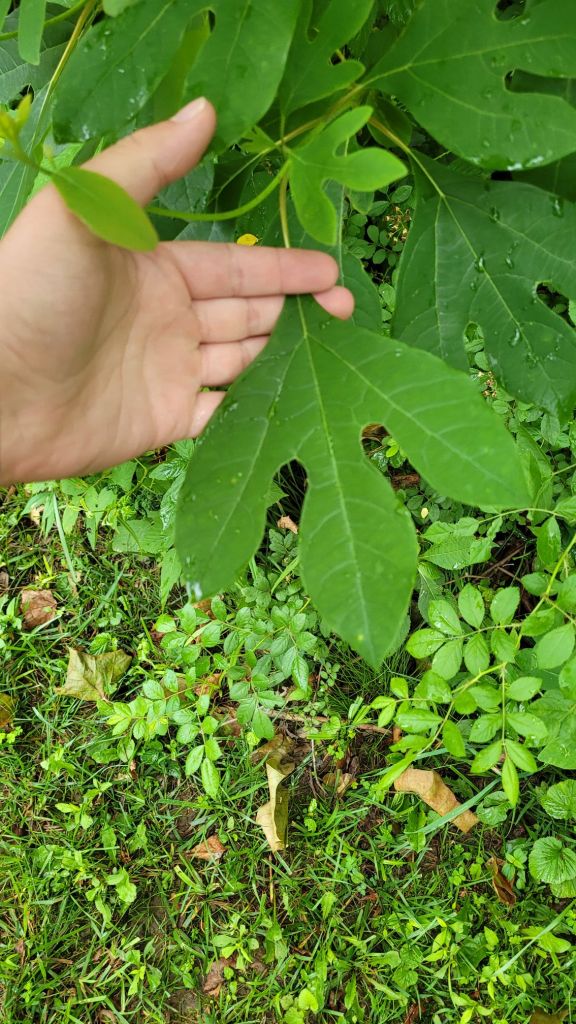
The uncommon leaf shapes make this tree stick out like a sore thumb when you’re scanning the foliage around you. I just happened across the pictured trees the other day and exclaimed my joy out loud as I had been looking for sassafras for months after a big move.
If you were to take a leaf into your hand and crush through the plant’s cells, you can easily catch a whiff of a fruity “fruit loop” smell. Scratching the bark releases the classic scent of rootbeer. Even more pungent, the roots give off clouds of root beer scent when punctured. The smells and subsequently, the taste of sassafras comes from Safrole oil.
So why is this gorgeous tree “Wildly” Illegal? There are two reasons:
Illicit Drug Manufacture
Safrole oil is a Drug Enforcement Agency (DEA) List 1 Chemical:
Congress passed the Chemical Diversion and Trafficking Act (CDTA) in 1988 and subsequent amendments placed under control 41 chemicals. These laws provide a system of regulatory controls and criminal sanctions to address both domestic and international diversion of important chemicals without interrupting access to chemicals destined for legitimate commerce. –DEAdiversion.usdoj.gov
Simply put, List 1 chemicals have a government identified “legitimate” use for industry, but are still monitored by the DEA. Safrole oil is on this list as it is a precursor to MDA and MDMA, also known as Molly and Ecstasy.
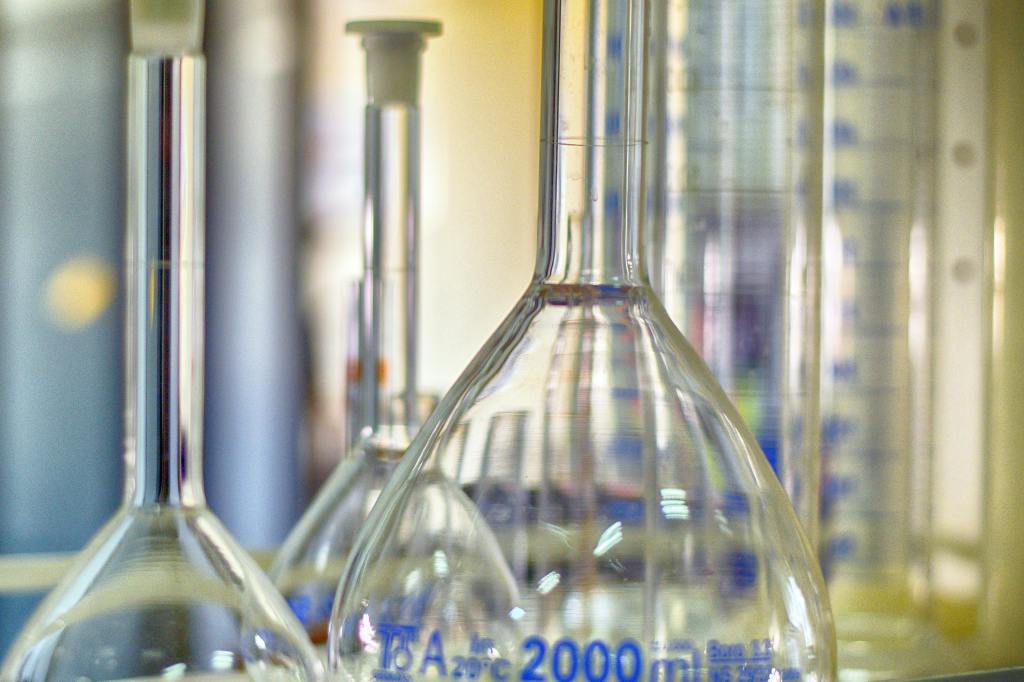
You can’t just whip up a glass of sassafras tea and expect to get high, however. There are several complex chemical reactions necessary to create the aforementioned drugs. There are reports of extremely strong sassafras tea leading to altered states of mind, but as these are not scientific reports, I am not about to call them fact.
Medical Studies
The actual health risks of safrole is some murky territory. You will hear that it causes cancer, that it cures cancer, and everything in between.
The story goes that in 1960, a team of scientists decided that root beer was too good and had to be banned, so they injected crazy amounts of pure safrole oil into the brains of mice which then developed cancer. Except…. as I’m researching this article, there doesn’t seem to be a singular study which caused the ban, rather an amalgamation of smaller studies which led to the banning of safrole.
I found an interesting thesis article by K. Cummings that goes into the history, preparation, and even delves into the studies surrounding Sassafras. Cummings goes through the studies, concentrations of safrole the subjects underwent, and the consequences for the test subjects. One of the conclusions of a test in 1965 was as follows:
At 750 mg/kg, 9 out of 10 rats died at 19 days,
at 500 mg/kg, 1 of 10 rats died after 46 days,
and at 250 mg/kg, no rats died but they
experienced liver enlargement and focal
necrosis.-Hagan, E.C., P. M. Jenner,
W. I. Jones, O. G.
Fitzhugh, E. L. Long, J. G.
Brouwer, W. Welfare.
Toxic properties of
compounds related to
safrole. Toxicology and
Applied Pharmacology
7(1): 18-24.
This study sounds pretty bad when you first read it. Is it saying that 750ml of root beer killed 9/10 mice in 19 days? No, it is saying that a concentrated dose of 750ml of pure safrole oil per Kilogram killed these rats. That is a huge distinction. an average human male weighs 190 lbs or 86.16 kg. The amount of pure safrole oil they were giving these rats was the same dose as 64 liters of pure safrole oil. Keep in mind that safrole oil is a tiny percentage of root beer’s chemical makeup.
Am I saying that safrole oil and therefore root beer is definitely 100% safe in the long run? Not exactly. Like all things you put in your body, it is a risk that you should weigh out. As for me, I don’t fear a glass of natural root beer every once in a while.
Conclusion
While Safrole oil and natural root beer doesn’t seem to have many advocates for it’s legalization, it is impossible to stop all “unauthorized” uses of this persecuted plant. As long as there are trees in the forest and the knowledge of how to use them, no prohibition can conquer the mighty Sassafras
Works Cited:
Cummings, Kate. Sassafras Tea: Using a Traditional Method of Preparation to Reduce the Carcinogenic Compound Safrole. M.S. thesis, Clemson University, May 2012. Clemson University Digital Repository, https://open.clemson.edu/cgi/viewcontent.cgi?article=2345&context=all_theses (open.clemson.edu)
 Transplant Garden -- Rare and Curious Plants
Leave a comment