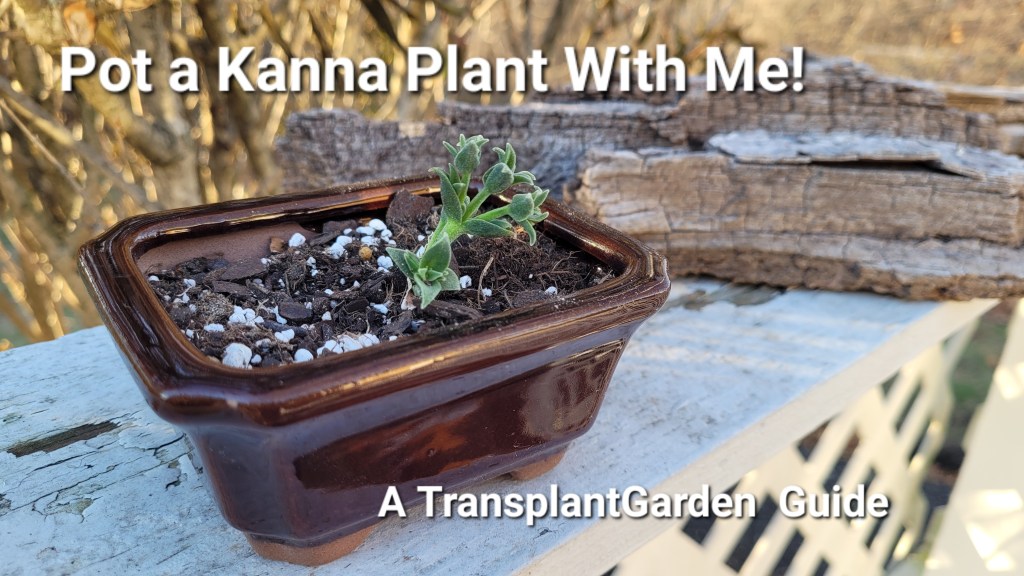
Choosing the right pot is critical for the success and growth of your Kanna plants. Pick wrong, and your plants will fail to thrive.
In this article we will go over how to choose a pot that is suitable for your plant and WHY you should look for certain features.
Before we talk about the pot choice, we need to talk about how we water Kanna.
Kanna should go through a wet-dry cycle. IE, Water your kanna, wait until the soil is dry, then water your kanna again. Watering while your soil is still wet is detrimental as it ensures your roots are constantly moist. Constantly moist roots are susceptible to root rot; a common issue with succulents. Once your plants get root rot it can be difficult for them to bounce back.
One of the fundamental pillars of growing Kanna is managing moisture for your plant.
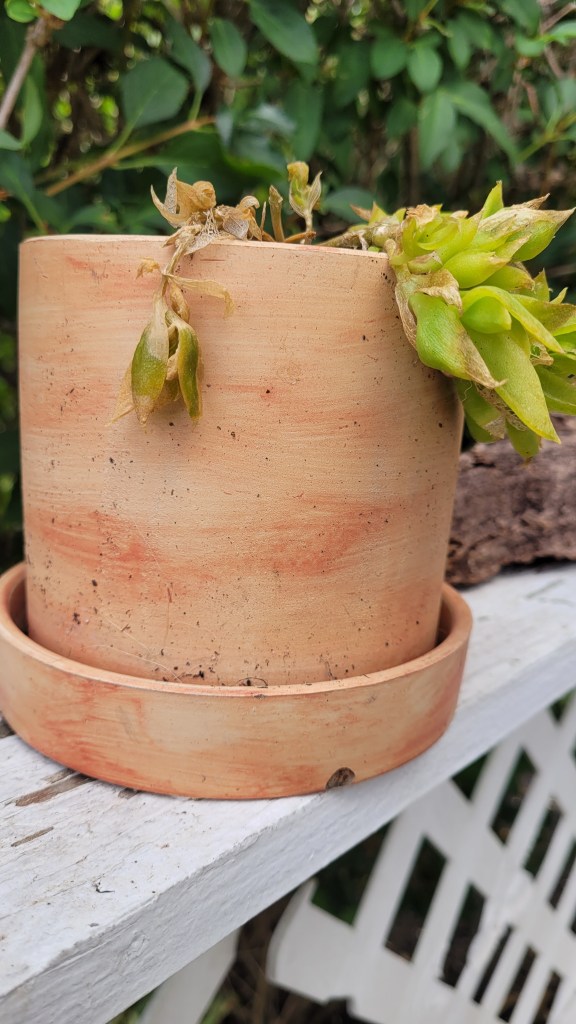
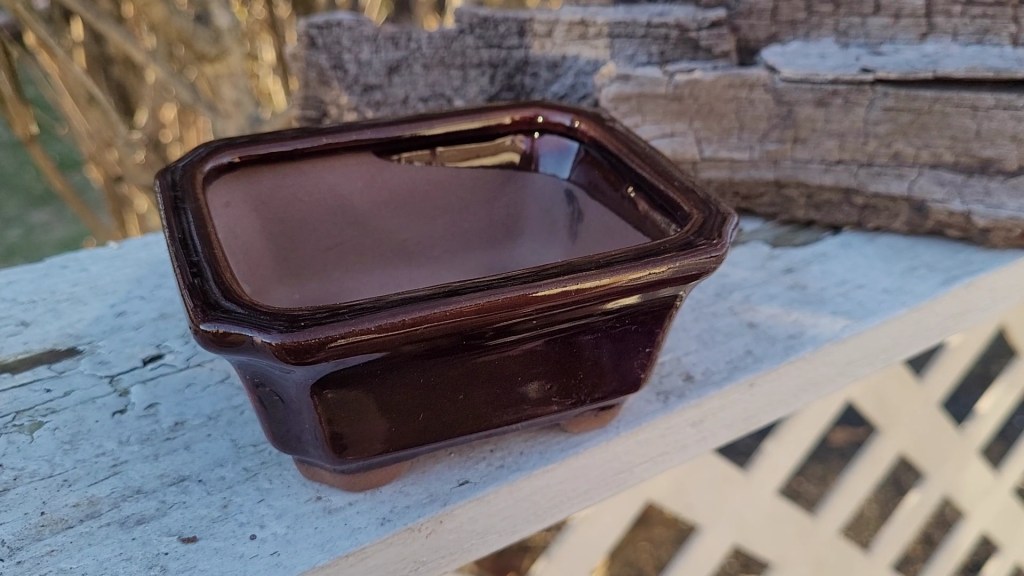
Let’s take a look at this pot. I found this at my local garden center for 10$. Labeled as a bonsai pot, I have high hopes that it will be a successful home for one of my young kanna plants.
I’m confident in this pot for a few reasons:
Materials
Drainage
Size
Materials:
This pot is a clay, semi glazed pot. It feels sturdy and has a low center of gravity. I feel as though this pot would be difficult for wind to knock over. Take a look at the inside for a second.
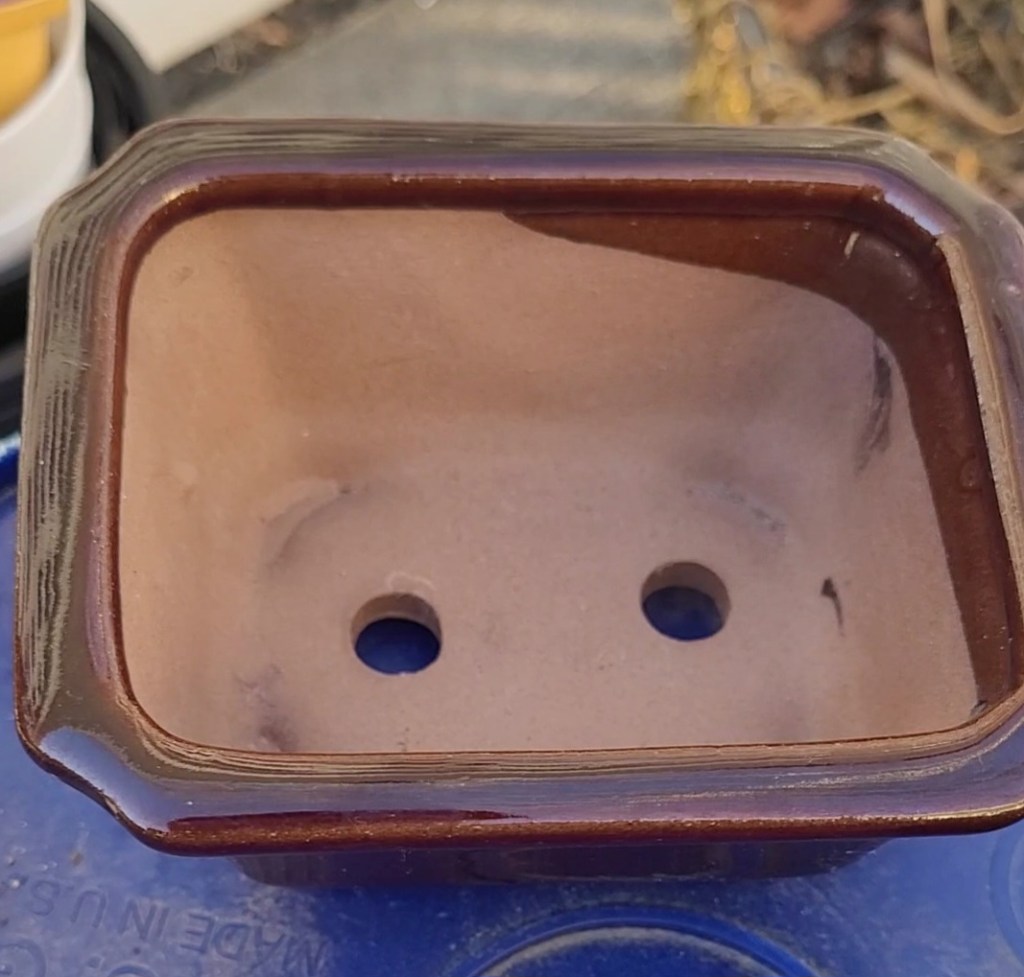
The outside surface of this pot is glazed, while the inside and bottom are not glazed.
Glaze is the waterproof part of a ceramic item. Areas that are not glazed are porous and allow for water to penetrate through the clay.
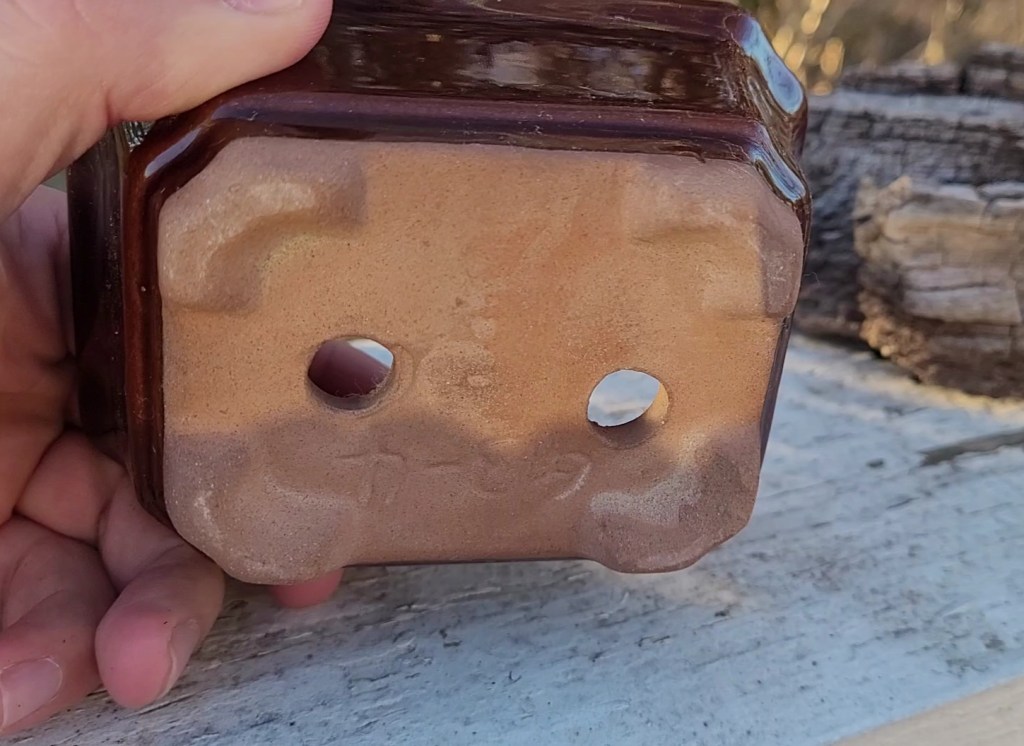
An unglazed pot has some serious advantages for the succulent grower. The clay will siphon moisture from soil that has been overwatered. In particular with this pot, the unglazed bottom will allow for quicker dissipation of moisture. These two features give you some room to accidentally overwater your plant and not face drastic consequences like plant death.
If this pot were plastic or fully glazed, water would saturate the soil. Moisture would be retained for longer which could lead to root rot.
Drainage
We discussed how the unglazed clay dissipates moisture. This is slightly different from drainage.
Drainage is what allows most of the excess water to leave your plant’s soil. The water moistens your soil, and any excess leaves through the pot’s drainage holes.
The unglazed clay dissipates excess moisture that is trapped by your soil, while your drainage prevents your soil from becoming a puddle.
In the pictures of the pot we are discussing today, you can see two decent sized holes. These holes will quickly drain excess water. NEVER plant Sceletium Tortuosum in a pot that doesn’t have drainage holes. It will not be able to handle the excess moisture, and your kanna plant will die.
Size
What I have found is that Kanna likes to be a little cramped in its pot. Kanna seems to have thin delicate roots that spread outwards vs down. Maybe a smaller pot allows the plant to anchor a bit better as well.
We’ve also been taking about moisture and how an excessive amount of moisture is bad for Kanna’s roots.
An important thing to keep in mind with moisture regulation is the role the plant plays in reducing moisture. The plant of course collects water through its roots and distributes moisture across the whole of the plant. The larger the root system, the quicker moisture gets collected by the plant.
If the pot you choose for your plant is too big, you will have a large percentage of your soil that is not being dehydrated by your plant. Effectively, this is largely useless soil and can even be detrimental. The soil that doesn’t have roots sucking from it is a source of excess moisture. And as we have discussed, excess moisture leads to root rot.
Whether you’re setting up a Kanna’s first pot, or repotting a 3 year old plant, you should keep in mind that it is ok to leave room for your plant’s roots to expand, but you don’t want to create a big moisture trap in your pot.
Conclusion
In this article I focused on one particular pot. I feel like it is easier to demonstrate concepts with an example rather than vague hypotheticals. Using the concepts we discussed today, you can choose a pot for your Kanna plants. Just keep in mind good drainage, appropriate size, and wise material choices and you’re one step closer to successfully growing Kanna!
One response to “Potting Your Kanna: How To Choose a Container.”
-

[…] best way to protect your plants from root rot is to choose your containers wisely and to always ensure that a plant’s soil is dry before you water it again. Constantly wet […]
LikeLike
 Transplant Garden -- Rare and Curious Plants
Leave a reply to Kanna FAQs – Transplant Garden — Rare and Curious Plants Cancel reply